
Expand Product Description:

text

## Overview

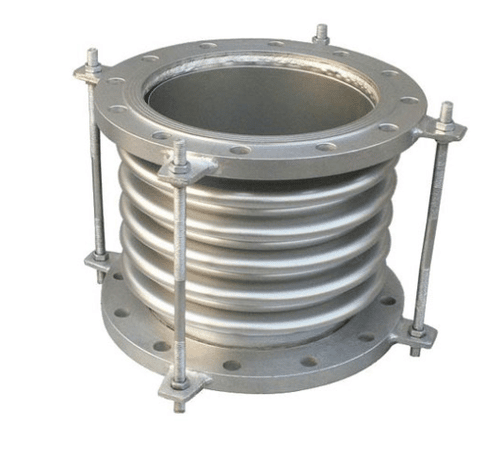
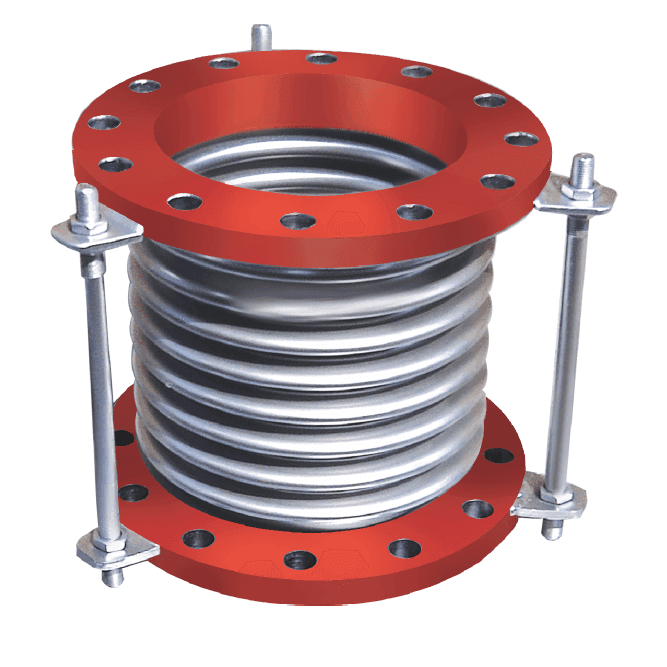
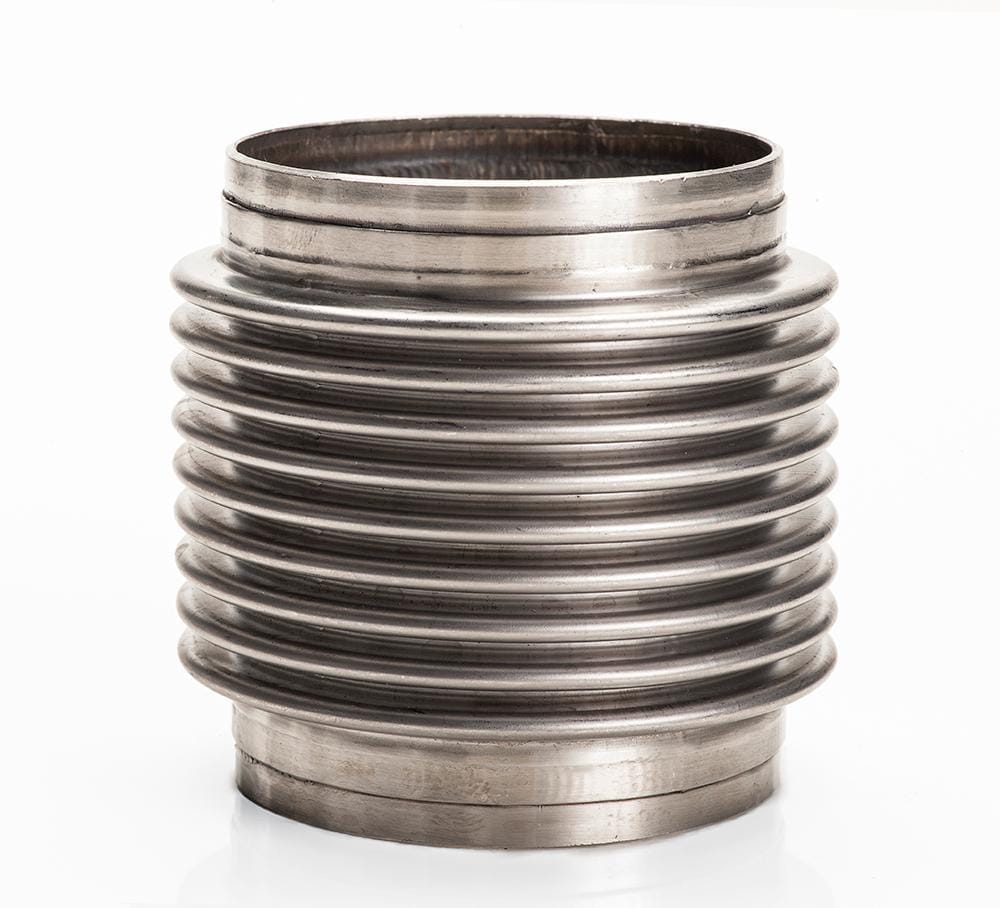
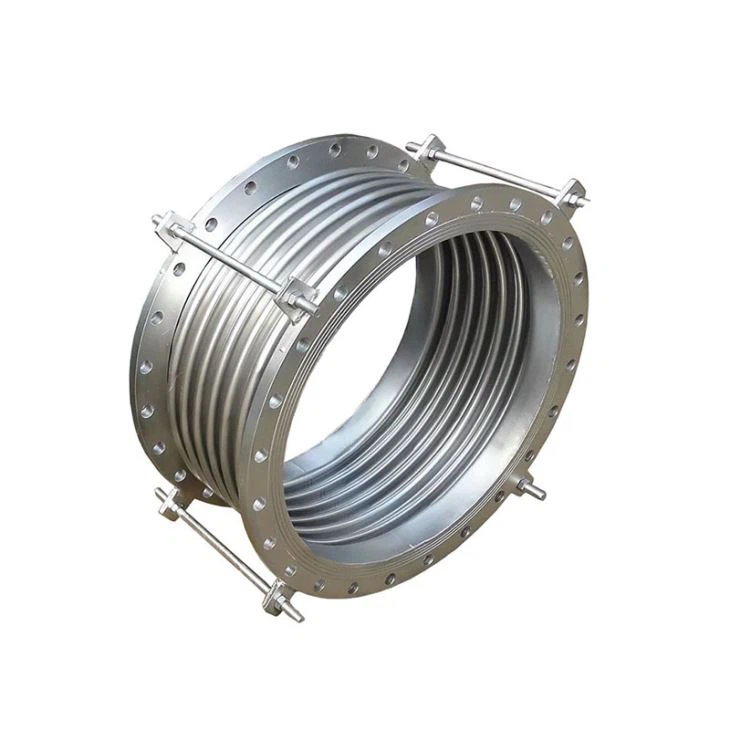
Exhaust bellows are specialized metallic expansion joints designed for diesel generator exhaust systems,

engine exhaust pipes and high-temperature gas applications. Manufactured from high-grade stainless steel

(321 or 310S), these bellows absorb thermal expansion, engine vibration and misalignment in exhaust

systems operating at temperatures up to 650°C and beyond.


## Features

  • High-temperature stainless steel construction (SS 321, 310S, Inconel)
  • Single or multi-ply bellows for pressure containment
  • Outer braid or cover for insulation and protection
  • Flanged or butt-weld end connections
  • Can include flexible pipe sections
  • Designed for pulsating exhaust flow
  • Corrosion-resistant materials
  • Manufactured to EJMA and international standards


## Applications

  • Diesel generator (DG set) exhaust systems
  • Gas generator exhaust connections
  • Industrial engine exhaust piping
  • Marine engine exhaust systems
  • Boiler breechings and flue gas connections
  • Turbine exhaust systems
  • Incinerator and furnace exhaust
  • High-temperature process gas piping
  • Emergency generator exhaust in buildings


## Technical Specifications

  • Material: Stainless Steel 321 (standard), 310S (high temp), Inconel 625 (extreme)
  • Temperature: Up to 650°C (SS 321), up to 1000°C (Inconel)
  • Pressure: Typically low pressure, up to 0.5 bar in exhaust systems
  • Size Range: DN50 (2″) to DN1200 (48″)
  • Bellows Type: Single-ply or 2-ply for safety
  • End Connections: Fixed flanges, floating flanges or butt-weld
  • Outer Protection: Braided SS wire mesh or thermal insulation cover
  • Movement: ±15mm to ±50mm axial, ±10mm lateral, ±5° angular


## Why Exhaust Systems Need Bellows

**Thermal Expansion:**

Exhaust pipes expand significantly (steel expands 12mm per meter at 500°C).


**Engine Vibration:**

Running engines create substantial vibration requiring flexible connections.


**Misalignment:**

Building settlement or foundation movement needs compensation.


**Acoustic Isolation:**

Flexible bellows reduce noise transmission through exhaust piping.


**Stress Relief:**

Prevents stress on engine exhaust manifold and silencer connections.


## Construction Types


**Basic Exhaust Bellow:**

Stainless steel bellows with flanges, suitable for moderate temperatures.


**Insulated Exhaust Bellow:**

Bellows with thermal insulation blanket to reduce heat radiation.


**Braided Exhaust Bellow:**

Outer stainless steel braid protects bellows and improves appearance.


**Flexible Exhaust Pipe:**

Long corrugated flexible pipe (up to 3 meters) with or without braid.


## Design Considerations

  • Exhaust gas temperature (peak and average)
  • Engine vibration amplitude and frequency
  • Thermal expansion of exhaust piping
  • Back pressure requirements (low restriction)
  • Flange standards (ANSI, DIN, custom)
  • Installation space and routing
  • Indoor or outdoor installation
  • Required service life


## Benefits

  • Accommodates thermal expansion in hot exhaust systems
  • Isolates engine vibration from exhaust piping
  • Reduces stress on engine exhaust manifold
  • Prevents exhaust system failures and leaks
  • Allows flexibility for engine movement
  • Reduces noise transmission
  • Long service life in high-temperature applications
  • Corrosion-resistant stainless steel construction


## Installation Guidelines

  • Install as close to engine as practical (within 1-2 meters)
  • Support exhaust pipe properly – do not hang weight on bellow
  • Use proper gaskets rated for high temperature
  • Allow clearance for thermal expansion movement
  • Protect from mechanical damage
  • Insulate exhaust piping per safety requirements
  • Check for exhaust leaks after start-up
  • Follow engine manufacturer recommendations


## Common DG Set Sizes and Bellow Specifications


**10-30 kVA Generators:**

DN50-DN80 (2″-3″) exhaust bellows, 500-600°C temperature.


**30-100 kVA Generators:**

DN80-DN100 (3″-4″) exhaust bellows, 550-650°C temperature.


**100-500 kVA Generators:**

DN100-DN150 (4″-6″) exhaust bellows, 550-650°C temperature.


**500+ kVA Generators:**

DN150-DN300 (6″-12″) exhaust bellows, 600-700°C temperature.


## Maintenance

  • Inspect bellows annually for cracks or damage
  • Check for exhaust leaks at connections
  • Verify proper pipe support (no sagging)
  • Replace if significant corrosion or fatigue cracks visible
  • Typical service life: 10-15 years in normal conditions


## Quality Assurance

  • Material certifications (mill test certificates)
  • Pressure testing (if applicable)
  • Dimensional inspection
  • Visual inspection of welds
  • Documentation package with each order


Contact RMS Corporation with engine/generator specifications (kVA rating, exhaust temperature, pipe

size, flange type) for exhaust bellow selection and supply.
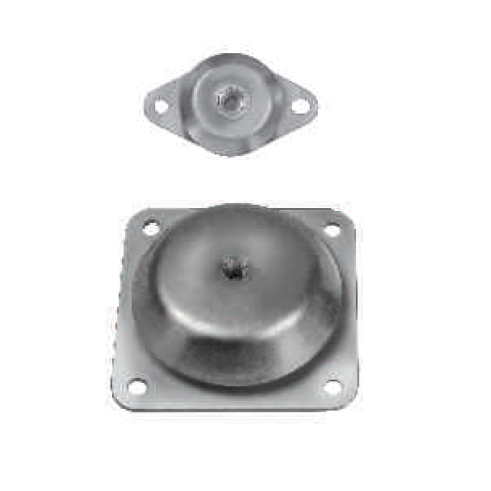
Product Images:

Description

Exhaust Bellows – High Temperature Engine Exhaust Expansion Bellows

Overview

Exhaust bellows are specialized metallic expansion joints designed for diesel generator exhaust systems, engine exhaust pipes and high-temperature gas applications. Manufactured from high-grade stainless steel (304/316/321), these bellows absorb thermal expansion, engine vibration and misalignment in exhaust systems operating at temperatures up to 650°C and beyond.

Features

  • High-temperature stainless steel construction
  • Single or multi-ply bellows for pressure containment
  • Flanged or butt-weld end connections
  • Can include flexible pipe sections
  • Designed for pulsating exhaust flow
  • Corrosion-resistant materials
  • Manufactured to EJMA and international standards

Applications

  • Diesel generator (DG set) exhaust systems
  • Gas generator exhaust connections
  • Industrial engine exhaust piping
  • Marine engine exhaust systems
  • Boiler breechings and flue gas connections
  • Turbine exhaust systems
  • Incinerator and furnace exhaust
  • High-temperature process gas piping
  • Emergency generator exhaust in buildings

Technical Specifications

  • Material: Stainless Steel 304, 316, 321, Inconel, Duplex
  • Temperature: Up to 650°C, up to 1000°C
  • Pressure: Typically low pressure, up to 0.5 bar in exhaust systems
  • Size Range: DN25 (1″) to DN1200 (48″)
  • Bellows Type: Single-ply or 2-ply for safety
  • End Connections: Fixed flanges, floating flanges or butt-weld

Why Exhaust Systems Need Bellows:

  • Thermal Expansion: Exhaust pipes expand significantly (steel expands 12mm per meter at 500°C).
  • Engine Vibration: Running engines create substantial vibration requiring flexible connections.
  • Misalignment: Building settlement or foundation movement needs compensation.
  • Acoustic Isolation: Flexible bellows reduce noise transmission through exhaust piping.
  • Stress Relief: Prevents stress on engine exhaust manifold and silencer connections.

Construction Types

Basic Exhaust Bellow: Stainless steel bellows with flanges, suitable for moderate temperatures.

Braided Exhaust Bellow: Outer stainless steel braid protects bellows and improves appearance.

Flexible Exhaust Pipe: Long corrugated flexible pipe (up to 3 meters) with or without braid.

Design Considerations

  • Exhaust gas temperature (peak and average)
  • Engine vibration amplitude and frequency
  • Thermal expansion of exhaust piping
  • Back pressure requirements (low restriction)
  • Flange standards (ANSI, DIN, custom)
  • Installation space and routing
  • Indoor or outdoor installation
  • Required service life

Benefits

  • Accommodates thermal expansion in hot exhaust systems
  • Isolates engine vibration from exhaust piping
  • Reduces stress on engine exhaust manifold
  • Prevents exhaust system failures and leaks
  • Allows flexibility for engine movement
  • Reduces noise transmission
  • Long service life in high-temperature applications
  • Corrosion-resistant stainless steel construction

Contact RMS Corporation with engine/generator specifications (kVA rating, exhaust temperature, pipe size, flange type) for exhaust bellow selection and supply.